Dating Anxiety, Valentine’s Day, and ROCD: Why This Time of Year Feels So Intense
By Jen Lescher, LCSW/LICSW
Valentine’s Day is a weird holiday. Unless you’re in elementary school passing out valentines to your classmates, you’re either included in this holiday or you’re not—based almost entirely on your relationship status. And it never feels good to not be included. We are biologically wired to belong, so when we don’t, it’s common to feel self-conscious, left out, or “othered.”
On the flip side, if you are in a relationship, Valentine’s Day can highlight difficult or tender parts of that relationship. It puts pressure on ideas of romance, gift-giving, and quality time. It can feel painful if we—or our partner—seem to fall short of those expectations. So it’s really no wonder there is so much anxiety around Valentine’s Day.
More broadly, a lot of people already have anxiety about dating—or the absence of dating—and this time of year can stir all of that up, especially if it’s already a sore spot.

So let’s break this down a bit and talk about why dating can be so triggering and anxiety-provoking for so many of us. I’m going to describe what I see as an anxiety and OCD therapist who specializes in Relationship OCD (ROCD) and relationship anxiety, by answering some of the most common questions I hear about dating anxiety and ROCD.
Why do dates give me anxiety?
There are endless reasons why dating can activate anxiety. In fact, I find it extremely inappropriate and irresponsible when people—often unqualified influencers or armchair therapists—make sweeping, generalized claims about dating and relationships and present them as universal truths or one-size-fits-all solutions. Please be cautious of this.
I see so many clients who feel ashamed, confused, or deeply triggered because they heard an influencer or unqualified person make broad statements about dating that don’t align with their lived experience. When those narratives don’t fit, people often assume they are the problem.
The reality is that people are complicated. The most common reasons I see for dating anxiety that interferes with someone’s ability to date include relationship trauma from an ex, relational trauma from childhood, performance anxiety in front of new people, social anxiety, Relationship OCD, and other OCD themes. And the “fun” part is that these often overlap and interact with one another. Clinically, we call this comorbidity.
Is it normal to feel anxiety when dating?
Of course, it’s common to feel some anxiety when dating. I actually don’t love the word normal—it can feel like an impossible and oppressive standard to live up to. Instead, I would say it’s very common. Meeting new people and opening yourself up emotionally will make most people nervous. If it didn’t, I’d probably have some other concerns.
That said, I’m not talking about simply feeling nervous before a first date. I’m talking about when anxiety becomes so overwhelming that it interferes with your ability to date or be present in a relationship.
Maybe you’re avoiding dating even though you want to date. Maybe you’re struggling to be around your partner because you’re experiencing obsessive thoughts about the relationship. Or maybe you’re hyper-focused on your partner or potential partner because you’re terrified of abandonment or rejection, making it hard to relax and be yourself.
This is the kind of anxiety I’m referring to—when dating anxiety gets in the way of how you want to show up in relationships. This is often when seeking additional support can be helpful, and sometimes even life-changing.

How do I get rid of dating anxiety?
This brings me to one of the most common questions I get: What do I do about this anxiety? How do I get rid of it so I can just date and be in a relationship?
Just as I’m hesitant to use the word normal, I’m also hesitant to suggest that we can—or should—make anxiety or fear completely go away. I also will never say there’s a single formula that works for everyone.
If anxiety is significantly interfering with dating, treatment might include trauma processing, ERP (Exposure and Response Prevention), attachment-based therapy, Inference-Based CBT (ICBT), or a combination of approaches. A therapist can help you create an individualized plan that fits your specific needs.
That said, there are a couple of things I often encourage people to reflect on.
First:
If someone you’re dating judges you, criticizes you, or lacks patience for your anxiety, they may not be the right person for you. When you experience high levels of anxiety in dating, you’ll often do best with someone who has empathy and understanding. That kind of person can be deeply grounding and soothing, and yes, there are so many people out there who are understanding and empathetic.
Second:
Start engaging in small acts of self-love or self-appreciation. This doesn’t mean you have to say affirmations or feel loving toward yourself. You don’t need extravagant self-care rituals. Instead, I’m suggesting subtle, consistent actions that communicate care to your subconscious.
Fill your water bottle before bed so it’s ready for you in the morning. Light a candle when you get home because you like the smell. Buy yourself fresh flowers each week. Choose something that resonates with you and do it consistently.
You don’t have to believe you love—or even like—yourself. But over time, these small actions that reflect self-appreciation can help you build love and trust with yourself.
Healing Relationship Anxiety and ROCD Starts With Your Relationship With Yourself
All of your relationships are built on the foundation of how you relate to yourself. And here’s the hard but honest truth: you might end up single. I don’t say this to be cruel. I say it for two reasons. First, I’m an exposure therapist, and I know there is real power in intentionally facing our fears. Second, it’s simply true—you might end up single, even if you’re in a great relationship right now.
So let’s make the relationship you have with yourself something that feels nourishing, stable, and trustworthy. We do that through small, intentional actions that communicate love and support—starting with you.
Jen Lescher, LCSW offers specialized OCD and anxiety therapy for adults in Boston, Massachusetts, and Los Angeles, California, working with individuals who are feeling stuck in rumination, relationship anxiety, or obsessive thought patterns.
I provide virtual therapy for individuals located in both Massachusetts and California, making it possible to access specialized OCD treatment whether you’re in Boston, Los Angeles, or elsewhere in those states.
Relationship OCD & Anxiety Therapy in Boston and Los Angeles
If you’re finding that dating anxiety, intrusive thoughts, or relationship fears are starting to take over your mental space, Jen Lescher, LCSW, truly understands OCD and anxiety treatment can make a meaningful difference, not just in managing symptoms, but in helping you build a more grounded and trusting relationship with yourself.
Book a free 15-minute consultation to share your challenges and how a therapist can help with relationship OCD.
Begin virtual OCD therapy from anywhere in MA or CA, tailored to your unique experiences, goals, and pace.
Working with a specialist can help you better understand what’s happening in your mind and give you practical tools to respond in new ways.
Additional Support for OCD & Anxiety
Along with one-on-one OCD therapy, I also offer supportive resources that address challenges many clients face outside of sessions. On the Common OCD Themes page, you can explore detailed insights into recurring thoughts and behaviors. The OCD and Social Life page offers guidance for managing friendships, dating, and relationships while living with OCD and anxiety.
About the Author Jen Lescher
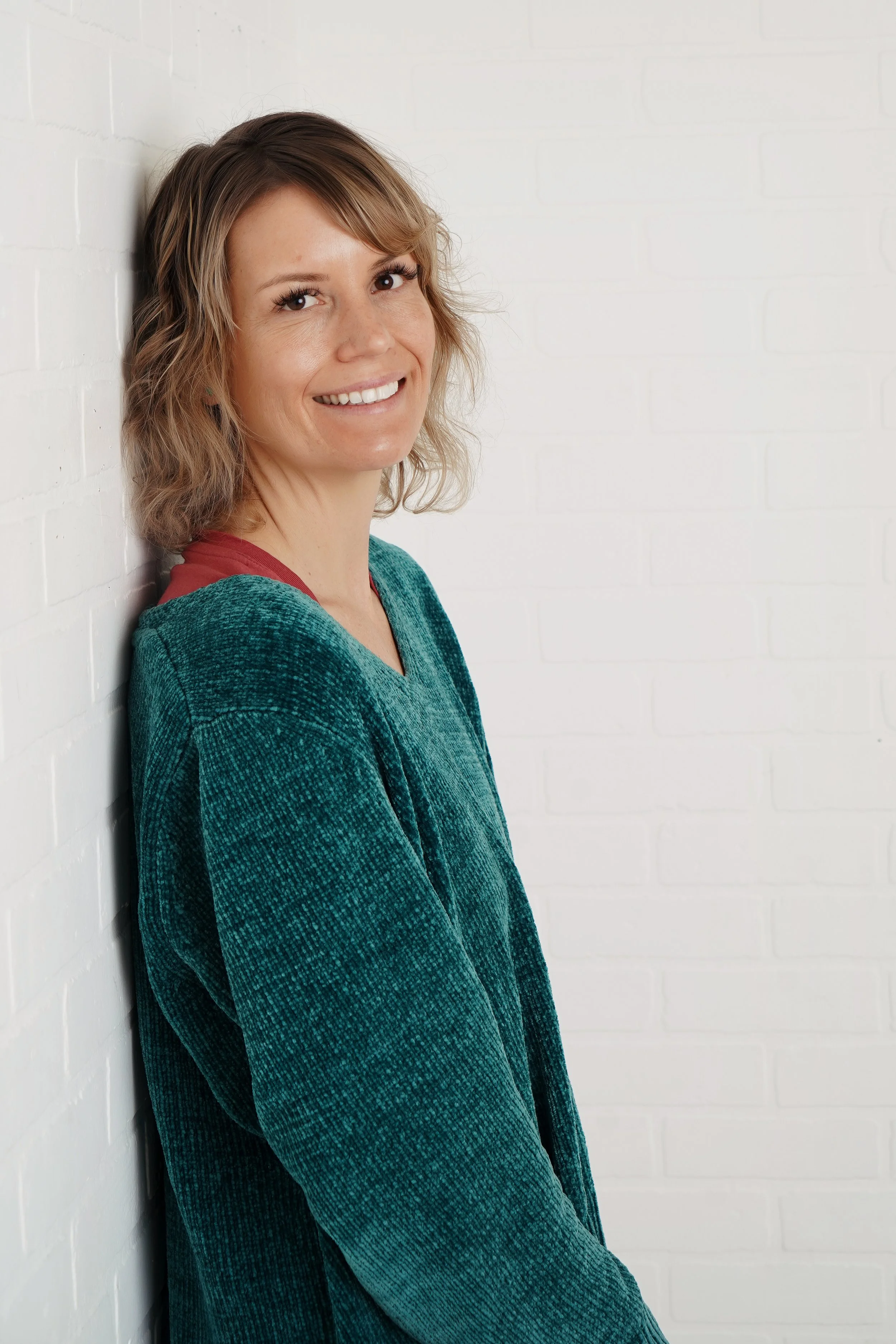
I’m a therapist, a devoted coffee lover (truly— it's one of my favorite daily comforts), and someone who really values small moments of presence. That might look like slowing down with mindfulness, getting lost behind my camera, or taking a quiet walk just to notice what’s around me. Photography, in particular, helps me stay grounded and curious—two qualities I bring into my work with clients as well.
I’ve been interested in healing and spirituality since my teenage years and have explored many paths along the way, from meditation to energy-based practices. At the same time, I’m just as likely to be blasting music in the car or deep into a true crime podcast. To me, healing isn’t only about stillness or insight—it can also include movement, humor, and moments of joy. Therapy should have space for all of that.
I’ve worked in a wide range of mental health settings since 2007, and that experience shaped one of my core beliefs: healing is never one-size-fits-all. It’s personal. It changes over time. It can feel messy. And it’s always possible.
Training & Background
Inference-Based CBT (ICBT) for OCD – The OCD Training School & The Cognitive Behavioral Institute
Certified in Exposure and Response Prevention (ERP) – The Cognitive Behavioral Institute
Gottman Method Couples Therapy – Level 1
Master’s in Social Work – Portland State University, 2012
